










Ask most British people what they want, and summer features prominently. Warmth. Light. Long evenings. The particular quality of a summer afternoon that makes everything feel briefly, improbably fine. And yet when summer actually arrives, when the temperatures climb, and the calendar clears, and the invitation to simply enjoy it is right there - something complicated tends to happen.
We panic-buy fans. We complain about the heat within forty-eight hours of complaining about the cold. We feel vaguely guilty for not making the most of it, whilst simultaneously being unsure what making the most of it would actually look like. We sunburn in the first week and spend the rest of the season in cautious semi-shade. We are, as a nation, not entirely sure how to do this.
This is not entirely our fault. Britain is not architecturally, culturally or physiologically set up for prolonged heat. Our houses retain warmth rather than deflecting it. Our cities offer limited shade. Our collective muscle memory of summer is built around snatching good weather opportunistically rather than settling into it, because historically, settling in has meant being caught out.
But there's something else going on too, something worth examining through a wellness lens. Because the British discomfort with summer isn't just about temperature. It's about a deeper awkwardness with rest, pleasure and unstructured time that the season throws into relief…
The Productivity Problem
Summer, in most of the world's warmer cultures, is understood as a time to slow down. The siesta exists for physiological reasons - the post-lunch dip in alertness and the midday heat are genuine impediments to productive work, and the sensible response is to stop. Southern European cultures built their days around this reality: work early, rest at midday, revive in the cooler afternoon, eat late and linger over it.
The British, shaped by an industrial work ethic that regards rest with deep suspicion, never quite arrived at this. Summer became something to squeeze productivity into rather than adjust around. The idea of stopping, genuinely stopping, not scrolling on a sun lounger remains faintly transgressive.
The most radical wellness act available to many British people this summer may simply be permission to do less than feels justifiable.
What Other Cultures Know
The Scandinavians have friluftsliv, literally "open air life", a cultural concept that encompasses a deep, unhurried engagement with the natural world that requires no particular goal or athletic achievement. A walk for its own sake. Sitting by water. Being outside without agenda. It is considered not an indulgence but a necessity, woven into the fabric of Norwegian, Swedish and Danish life in a way that has measurable effects on wellbeing.
The Italians have dolce far niente, the sweetness of doing nothing, which is less about idleness than about the genuine, conscious pleasure of unoccupied time. It is a positive state, not an absence of productivity.
The Japanese practice of ma, meaningful pause, the space between things, is built into architecture, music, conversation and daily life as a recognition that emptiness has value; that rest is not the gap between useful things but a useful thing in itself.
What these cultural concepts share is an absence of guilt. Rest is not something earned through prior suffering. Pleasure is not a reward for sufficient effort. Simply being, in a body, in a season, in a place is enough.
Reclaiming the British Summer
There are things the British do instinctively well in summer that deserve recognition and amplification: the pub garden as communal space, the village fete, the picnic in the park, the long evening walk that somehow turns into two hours of conversation. These are genuinely nourishing practices dressed in ordinary clothes.
What they have in common is presence, being somewhere, with someone or with yourself, without a defined outcome. This is, it turns out, what rest actually means. Not the absence of activity, but the absence of instrumentality. Doing something for its own sake, because the evening is warm and the company is good and there is nowhere else to be.
The wellness research on this is unambiguous. Social connection, time in nature, unstructured leisure time and the experience of beauty and pleasure are among the most powerful protective factors for mental health available, more accessible than most interventions, and free. The British summer, even in its truncated, unreliable form, offers all of them.
This summer, alongside whatever movement practice, nutritional habit or wellness routine you're cultivating, consider adding one thing that requires nothing of you. Sit somewhere pleasant for longer than feels strictly necessary. Eat outside without looking at your phone. Watch the light change. Let an evening run away from you.
You don't have to be good at summer. You just have to be in it.
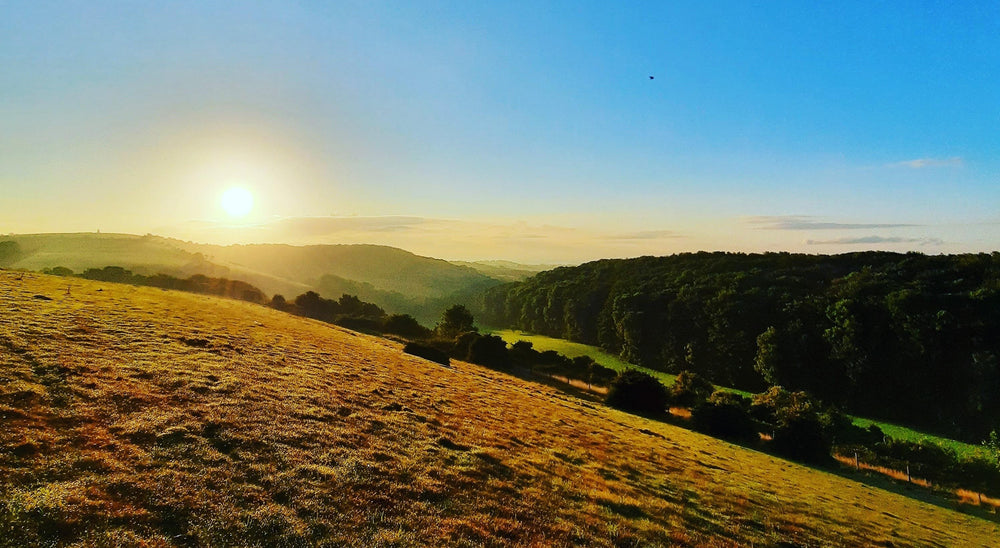
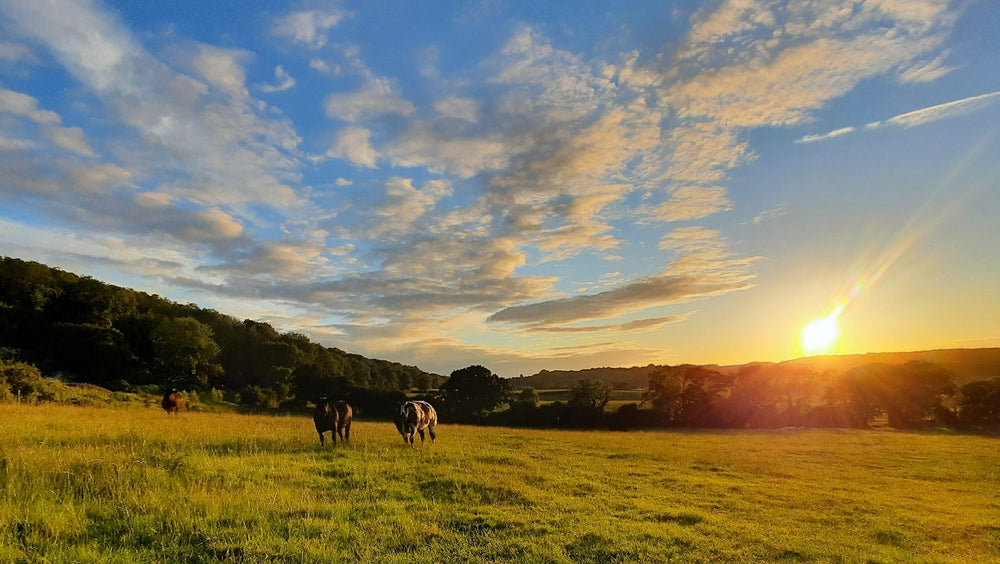
The season is short, as it always is. The light in August has a particular quality, low and golden in the evenings, generous in a way that November makes unimaginable. Let it land on you. That's enough.