





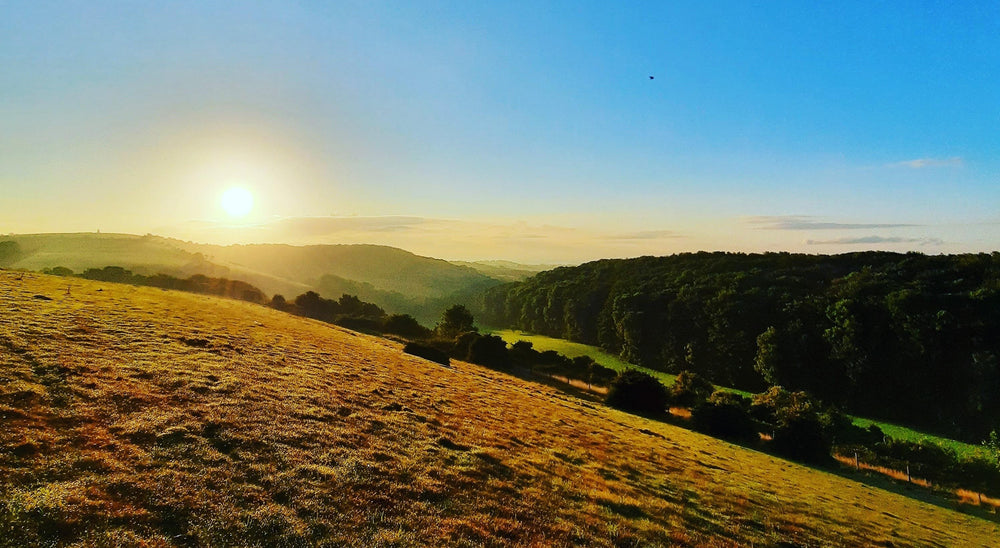

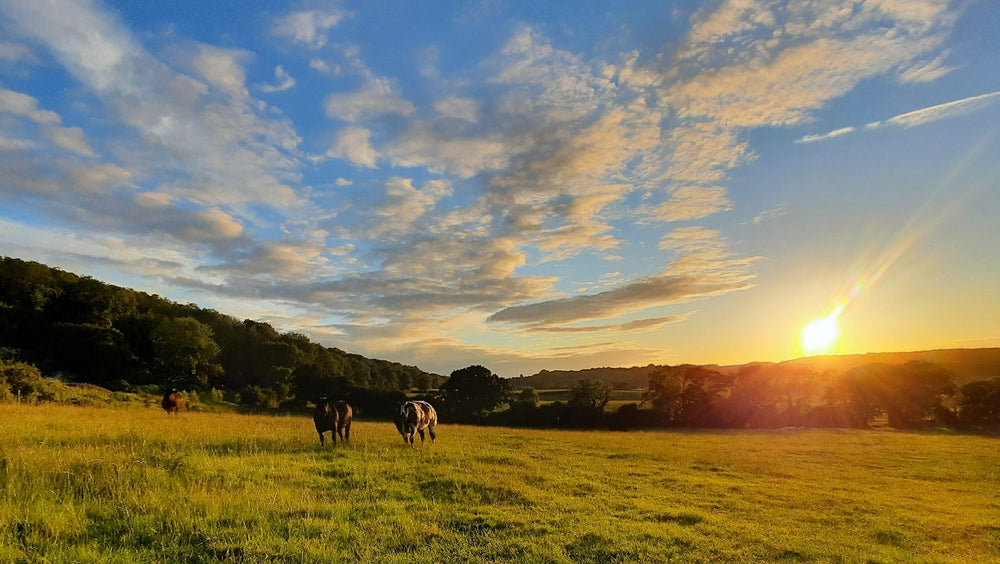

There is something quietly radical about gathering your own food. In a world of supermarket aisles and next-day delivery, crouching at a hedgerow to pick blackberries or spotting a cluster of elderberries catching the late August light feels like remembering something important, a connection to the land, to the seasons, and to a way of eating that predates every wellness trend by several thousand years.
Growing interest in seasonal eating, biodiversity and food provenance has drawn a new generation toward the hedgerows, woodlands and coastal paths of Britain, discovering what has always been there. And late summer, August, and on toward September, is one of the most rewarding times of year to start…
What Late Summer Offers
The foraging calendar is generous in late summer. Blackberries are the great gateway plant, abundant, unmistakable and delicious, ripening from late July through September across almost every hedgerow, coastal path and woodland edge in the country. They need no introduction and carry no significant lookalikes capable of causing harm, making them the ideal starting point for anyone new to foraging.
Elderberries follow the elderflower of June, the same trees now heavy with deep purple-black clusters of small berries by August. Rich in vitamin C, antioxidants and compounds studied for immune support, elderberries have a long history in British herbal medicine; elderberry syrup or cordial, simmered with honey and spices, is a traditional autumn immune tonic worth making in quantity. Unlike elderflowers, elderberries should not be eaten raw as they can cause nausea; cooking neutralises this.
Rosehips, the fruit of the wild rose, appearing in hedgerows from August onward, are another late summer treasure. Extraordinarily rich in vitamin C, they were harvested en masse during the Second World War when citrus imports were restricted and made into rosehip syrup for children. Sloe berries, the small blue-black fruit of the blackthorn, begin appearing in August and are famously bitter raw but extraordinary when steeped in gin with a little sugar through the autumn months.
The Forager's Code
Before you pick anything, a few principles are worth remembering:
Never eat anything you cannot identify with absolute certainty. This sounds obvious but bears repeating, particularly with berries and fungi, where dangerous lookalikes exist. Use a reputable field guide (Richard Mabey's Food for Free remains the classic British reference) or better still, go out with an experienced guide before foraging independently.
Take only what you need. The Countryside and Rights of Way Act permits foraging for personal use on most public land, but it is both legally and ecologically important not to strip a plant or area. Take no more than a third of what's available, and leave plenty for wildlife, particularly birds, for whom late summer berries are critical autumn preparation.
Avoid roadsides and field margins that may have been sprayed with pesticides or herbicides. Wash everything thoroughly. Be mindful of dog-walking routes for obvious reasons.
Know where you are. Some land is private or subject to specific bylaws. National Trust land, nature reserves and SSSIs may have their own rules about what can be taken.
The Isle of Wight is genuinely exceptional foraging territory. Its combination of ancient hedgerows, coastal paths, chalk downland, woodland and relatively mild climate means an unusually diverse range of edible plants is available across the season, and the island's agricultural patchwork means the hedgerows are often older and richer than those found in more intensively farmed parts of the country.
The coastal path around the south-west of the Island, between Freshwater Bay, Compton and Brighstone, is particularly abundant in late summer, with blackberries lining the path edges and sea plants accessible on the shore below. The Tennyson Trail running from Freshwater Bay to the Needles passes through chalk downland rich in wild plants. Parkhurst Forest offers woodland foraging, and the quieter lanes around Brighstone, Calbourne and the rural interior reward slow walking with eyes open.
For those who prefer to forage with expert guidance, the Isle of Wight has a growing offering of organised walks. Fieldstudy runs seasonal guided walks across various island locations, covering identification, sustainability and simple preparation and is an excellent starting point for beginners and genuinely informative even for those with some experience. Local nature groups periodically offer wildlife and wild food walks; it's worth checking the local Facebook pages for what's running through late summer and autumn.
From Hedgerow to Kitchen
The beauty of summer foraging is its simplicity. Blackberries need nothing more than a crumble, a jam or a bowl of yoghurt. Elderberries become a syrup in twenty minutes. Rosehips, once you've strained out the irritating inner seeds, make a beautiful jelly or a warming tea.
For those interested in the wellness dimension: wild foods are, almost without exception, more nutrient-dense than their cultivated equivalents. Wild blackberries contain significantly higher levels of antioxidants than farmed ones. Rosehips contain up to twenty times more vitamin C than oranges by weight. Sea vegetables are among the most mineral-rich foods on the planet. There is a direct, traceable line between eating from the landscape around you and supporting your health, one that requires no supplements, no packaging and no expertise beyond patience and a good field guide.
Go slowly. Look carefully. The hedgerows are waiting.