










In today’s fast-paced Western world, many of us are searching for ways to slow down, reconnect, and restore balance. This has led to a growing appreciation for Eastern wellness rituals and ancient practices rooted in mindfulness, nature, and holistic wellbeing. From the calming precision of Japanese tea ceremonies to the deeply restorative principles of Ayurveda, these traditions offer more than just relaxation; they provide a way of living with intention.
The good news? You don’t need to travel across the globe or completely change your lifestyle to benefit from them. With a few thoughtful adaptations, Eastern wellness rituals can be seamlessly woven into daily life at home…
Understanding Eastern Wellness Philosophy
At the heart of many Eastern traditions is a shared belief: true wellness comes from balance, between mind and body, rest and activity, self and environment.
Rather than focusing solely on treating symptoms, these practices aim to prevent imbalance and cultivate harmony. They encourage us to slow down, tune in, and treat everyday routines as opportunities for mindfulness.
While each culture has its own unique approach, common themes include:
-
Ritual and repetition as a source of grounding
-
Connection to nature and natural rhythms
-
Mindful presence in everyday tasks
-
Holistic care for body, mind, and spirit
The Art of Mindful Moments: Inspired by Tea Rituals
In many Eastern cultures, tea is more than a drink; it’s a ritual. Whether it’s the Japanese tea ceremony or Chinese gongfu tea preparation, the act of making and drinking tea becomes a form of meditation.
You don’t need special equipment or formal training. Instead:
-
Choose a herbal tea or infusion you enjoy
-
Set aside 10–15 minutes without distractions
-
Focus on each step: boiling water, pouring, inhaling the aroma
-
Sip slowly, noticing the warmth and flavour
This simple ritual can become a daily anchor, perhaps in the morning to set intentions or in the evening to unwind.
Creating Stillness: Meditation and Breathwork
Meditation has roots in many Eastern traditions, including Buddhist and yogic practices. It’s not about emptying the mind, but about observing thoughts without judgment.
-
Start small—just 5 minutes a day
-
Sit comfortably, with a straight spine
-
Focus on your breath: in through the nose, out through the mouth
-
When your mind wanders (and it will), gently bring it back
You can also explore breathwork techniques, such as slow, rhythmic breathing, to calm the nervous system, particularly helpful during stressful days.
Ayurvedic Daily Rhythms: Living in Tune with Nature
Ayurveda, India’s traditional system of medicine, emphasises aligning daily habits with natural cycles. It teaches that consistency and rhythm are key to maintaining balance.
You don’t need to overhaul your lifestyle, small shifts can make a big difference:
-
Morning routine: Wake up at a consistent time, hydrate, and avoid rushing
-
Mindful eating: Sit down for meals without screens, and chew slowly
-
Evening wind-down: Dim lights, reduce stimulation, and prepare for rest
Even adopting just one or two of these habits can create a sense of stability and calm.
The Power of Scent and Atmosphere
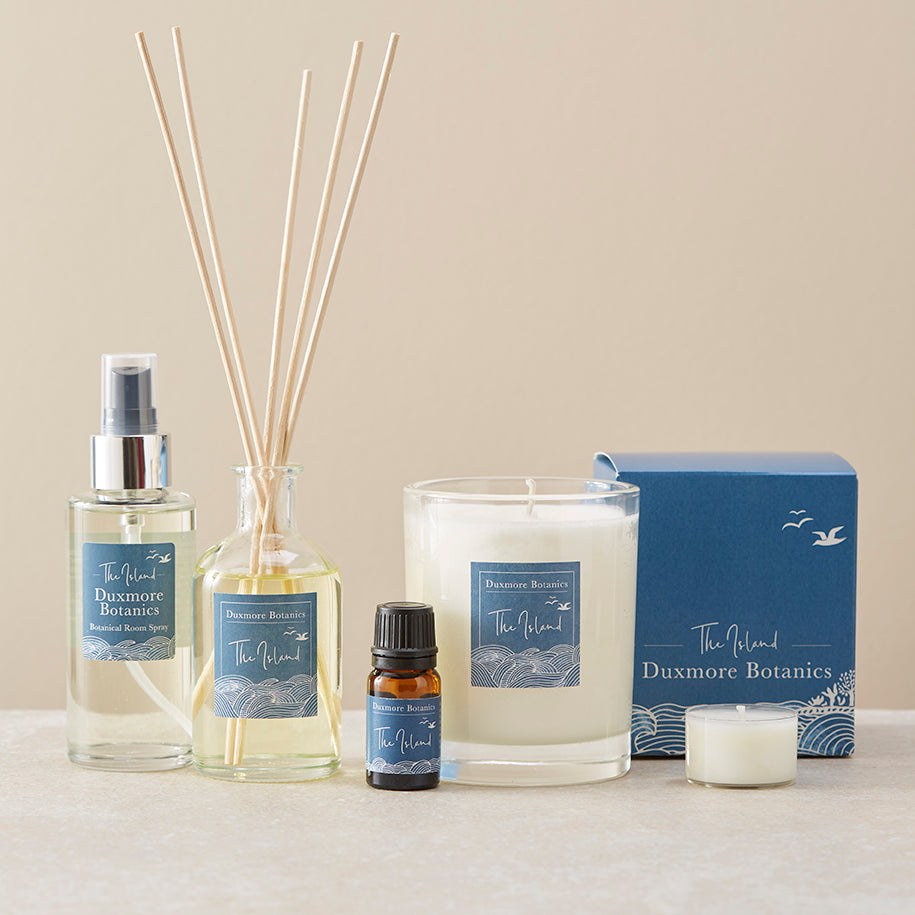
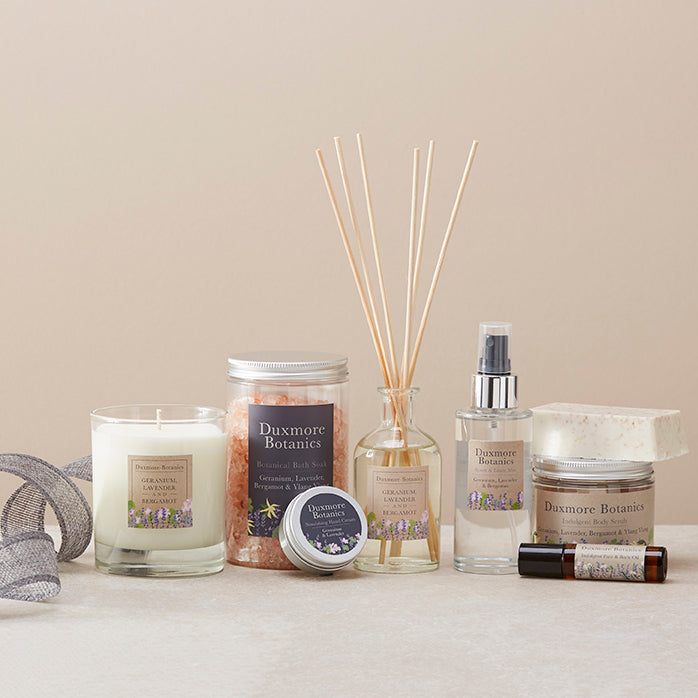
Aromatic rituals are central to many Eastern practices, whether through incense, herbs, or oils. Scent has a direct effect on mood and can instantly transform how a space feels.
-
Diffuse essential oils at different times of day
-
Citrus for morning energy
-
Lavender or sandalwood for evening calm
-
Use a pillow mist or room spray before bed
-
Associate certain scents with specific rituals (e.g. meditation or relaxation)
Over time, your mind begins to link these aromas with certain states, making it easier to shift into relaxation or focus.
Evening Rituals: Preparing for Rest
Rest is deeply valued in Eastern wellness traditions, not as an afterthought but as an essential part of health.
-
Create a consistent bedtime routine
-
Turn off screens at least 30–60 minutes before sleep
-
Engage in calming activities: reading, gentle stretching, or journaling
-
Keep lighting low and the environment calm and peaceful.
Eastern wellness rituals offer a gentle yet powerful reminder that wellbeing doesn’t have to be complicated. It can be found in small, consistent moments, sipping tea, taking a breath, or simply pausing. By adapting these traditions to suit our modern Western life, we can create a personalised approach to wellness that feels both accessible and meaningful. Start small, stay consistent, and allow these rituals to evolve naturally over time.
In a world that often prioritises speed and productivity, choosing slowness, even for a few minutes a day, is a definitive act of self-care.