









Cortisol seems to be everywhere at the moment. From morning routines designed to prevent a “cortisol spike” to supplements, diets and lifestyle hacks promising to bring levels down, it has become one of the latest talking points in wellness, particularly for women in peri-menopause or menopause.
But cortisol itself isn't something we need to fear — and nor is it something we should be constantly trying to suppress. Cortisol is an essential hormone produced by the adrenal glands. It forms part of our natural stress response, helping us respond when we need to be alert and active. It also follows a natural daily rhythm, typically rising towards the morning to help us wake and get going, before gradually falling as the day progresses.
The difficulty can come when life continually asks us to remain switched on. Work, family life, notifications, deadlines, disrupted sleep and simply having too much to think about can all contribute to the feeling that we're constantly rushing from one thing to another. Our bodies are remarkably good at responding to short periods of stress; what we often find harder is remembering how to switch off afterwards.
And this is where I believe aromatherapy can have a very useful — and realistic — place.
Aromatherapy isn't about “fixing” cortisol
As an aromatherapist and cosmetic scientist, I'm always conscious of the difference between what we would like an essential oil to do and what the evidence allows us to say it does.
I don't believe in presenting aromatherapy as a miracle cure for stress, and I certainly wouldn't suggest that lighting a candle or using an essential oil blend can somehow solve chronically elevated cortisol.
What aromatherapy can do is become part of the process of slowing down, which in itself will help with overall stress load.
Our sense of smell has a particularly close relationship with areas of the brain involved in emotion and memory. This helps explain why a familiar aroma can create such an immediate emotional response — transporting us to a place, person or moment before we've consciously thought about it.
Research into individual essential oils, including lavender, has also explored their effects on measures associated with stress, anxiety, sleep and physiological relaxation. Some studies have investigated changes in salivary cortisol following aromatherapy interventions, although the evidence is not consistent enough to treat essential oils as a direct means of “controlling cortisol”.
For me, the more interesting conversation is what happens around the aromatherapy.
Sometimes the ritual matters just as much as the oil
Imagine coming home after a particularly busy day. You put your phone down. You dim the lights. You add a few drops of an essential oil blend to your aroma diffuser. You sit down, consciously relax your shoulders and take several slower, deeper breaths. For ten minutes, nobody is asking anything of you.
Is it solely the essential oils creating that sense of calm? Probably not. It is the combination of soothing scents, breathing, environment, repetition and — perhaps most importantly — giving yourself permission to stop. And I don't think that makes aromatherapy any less valuable. In fact, I think it makes it more relevant to modern life.
Over time, scent can become part of a familiar ritual. Using the same calming fragrance as you begin your evening routine, for example, can become a sensory signal that the active part of your day is coming to an end.
Creating small moments of calm
A wellbeing routine doesn't need to involve an elaborate morning ritual or an hour of meditation. Often, the routines we're most likely to maintain are the ones that fit naturally into the life we're already living.
Try attaching aromatherapy to moments that already happen during your day.
In the morning, open a window, let in the daylight and use a fresh, uplifting aroma while you get ready. Take a moment to breathe rather than immediately reaching for your phone. I add a few drops of an awakening blend, such as our Pink Grapefruit, Sweet Orange & Mint, or Lemon Verbena, to my aroma diffuser as soon as I wake up.
During a busy working day, step away from your screen for five minutes. Go outside if you can. Breathe deeply, stretch and allow your eyes and mind to focus on something further away than a screen. An aroma inhaler or a drop of an appropriate essential oil blend on a tissue can make scent part of that pause. One blend that I find useful at this time of day is our Rosemary, Lavender & Eucalyptus blend. Research has shown that rosemary improves mental clarity and focus, combined with the soothing, grounding notes of lavender, it signals calm, yet maintains clear thinking.
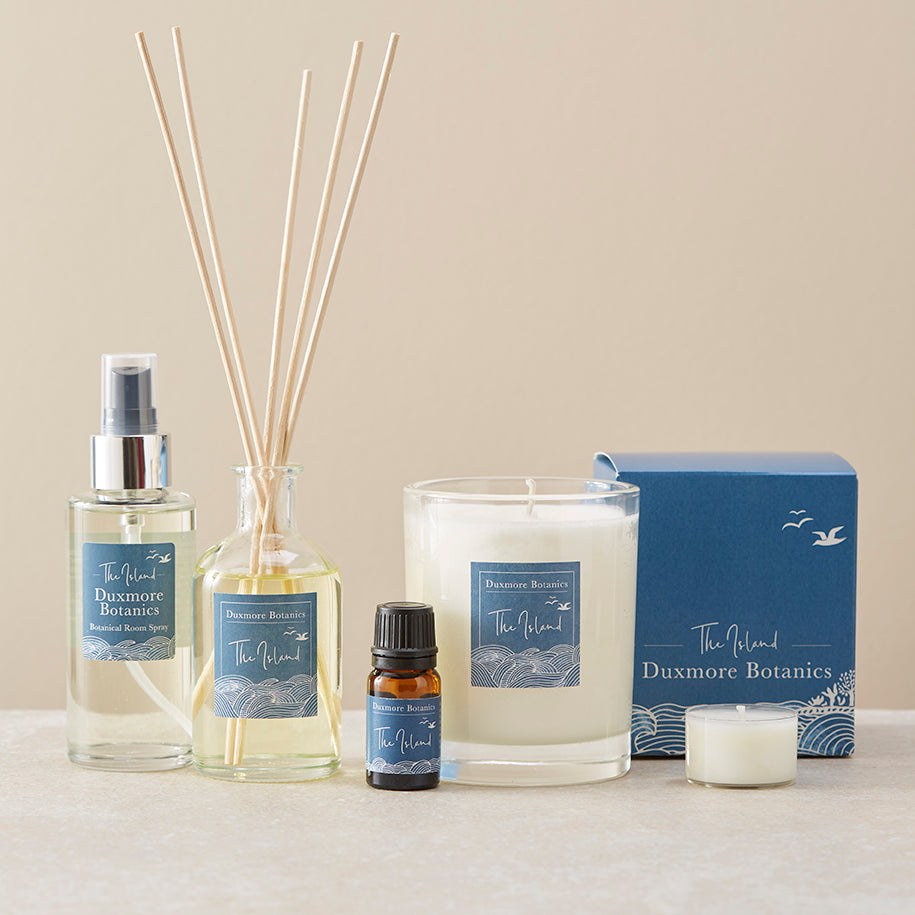
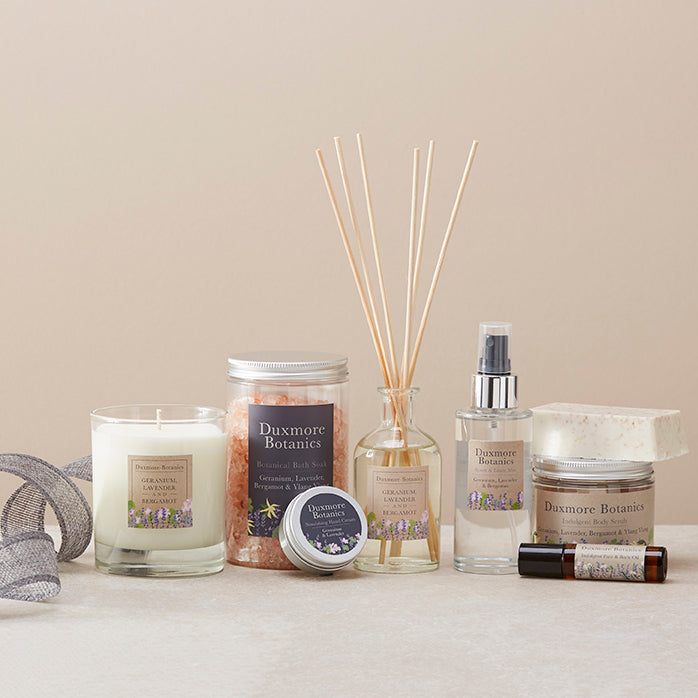
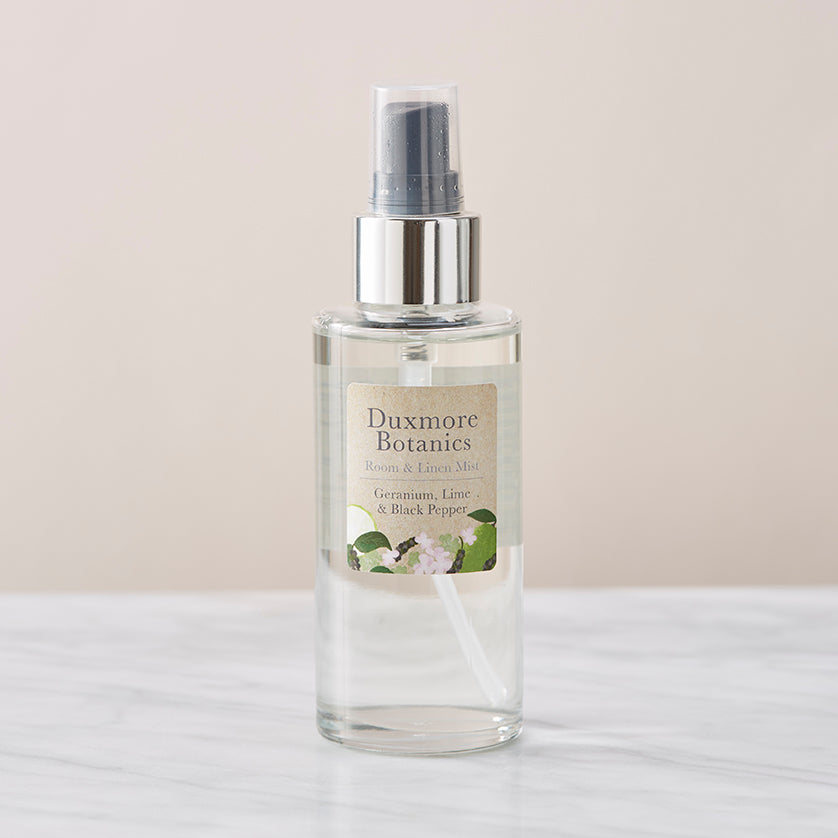
When you arrive home, create a transition between work and evening. A diffuser or natural home fragrance can help change the atmosphere of a room while you consciously change pace too. A couple of spritzes of your favourite Room & Linen Mist here is a quick way to signal that transition, whilst a Reed Diffuser in an entrance hall will also deliver the same effect as you enter your home.
And at bedtime, repetition is particularly valuable here. Lower the lights, put your phone away, run a warm bath or shower, and introduce the same relaxing aroma each evening. Lavender, chamomile and petitgrain are some of my favourite essential oils for creating a softer, quieter atmosphere at the end of the day.
None of these things are revolutionary - and perhaps that's the point.
We don't need another wellness rule
One of the problems with wellness trends is that they can turn looking after ourselves into yet another thing we're supposed to get right.
Now we're being told when to drink coffee, when to exercise, what time our cortisol should peak and whether our morning routine is disrupting our hormones.
For most of us, I think the answer can be much simpler.
Our bodies are designed to experience periods of activity and periods of rest. We can't remove every stressful situation from our lives, nor should we expect to. But we can become better at creating moments when our bodies and minds are allowed to move out of that constant state of busyness.
Go outside.
Take a few slower breaths.
Put the phone down.
Run the bath.
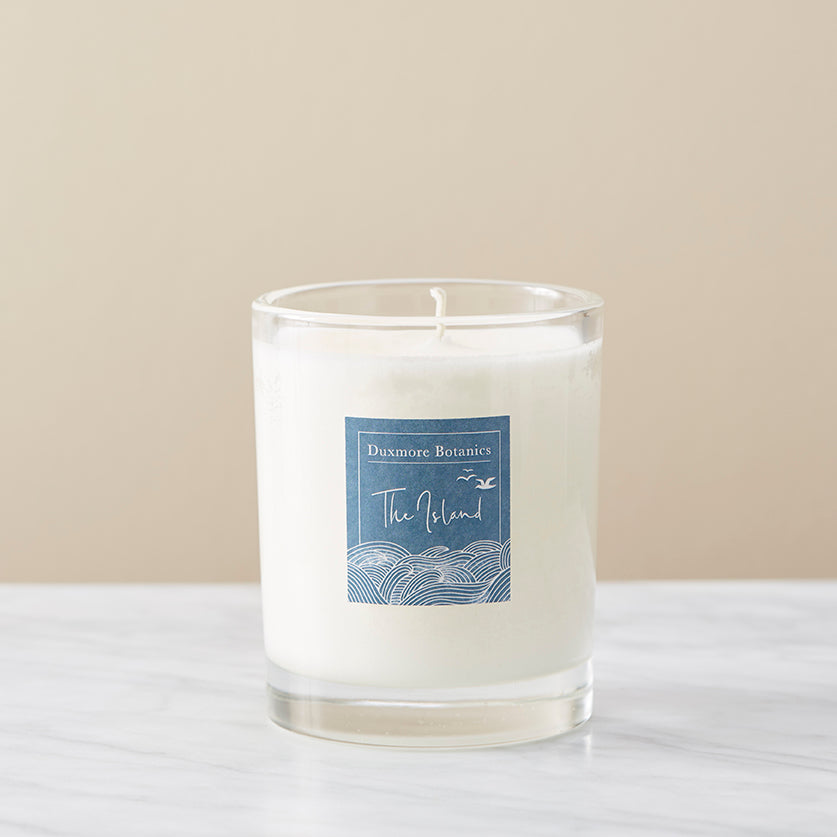
Light the candle.
Use the fragrance you associate with feeling safe, comfortable and at home.
Aromatherapy doesn't need to promise to “balance your cortisol” to have value. Sometimes its greatest benefit is simply reminding us to stop for a moment, breathe deeply and create a little space between one part of our day and the next.
And in an increasingly busy world, those small rituals can be incredibly powerful