







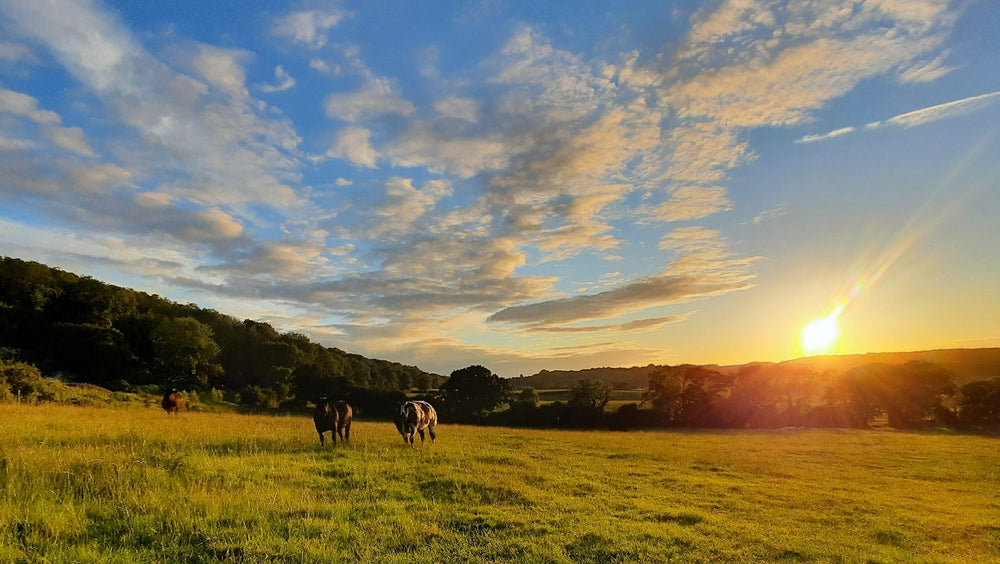

For years, the fitness conversation was dominated by intensity. HIIT classes, personal bests, 5am bootcamps, the relentless pursuit of more. But something has shifted. Across the UK, people are quietly stepping off the treadmill, sometimes literally, and choosing a gentler, more sustainable approach to movement. And the results speak for themselves.
Soft movement, an umbrella term for low-impact, mindful exercise including walking, yoga, Pilates and hiking, is now the most popular wellness choice among Brits, according to recent research. It isn't a compromise or a consolation prize for those who can't face the gym. It's a considered, evidence-backed approach to feeling well in your body for the long term. And as the temperature climbs, June may be the perfect moment to lean into it…
The Case Against Always Going Hard
There's nothing inherently wrong with high-intensity exercise. For cardiovascular health, bone density and certain fitness goals, vigorous workouts have genuine value. But the culture that grew up around them, one that equated suffering with progress and rest days with failure, has left a lot of people exhausted, injured, or simply alienated from movement altogether.
Chronic overtraining suppresses immune function, disrupts sleep and raises cortisol levels, the stress hormone already elevated in many people navigating busy, pressured lives. When exercise becomes another source of stress rather than a release from it, something has gone wrong.
Soft movement offers a different relationship with your body entirely. Rather than pushing through discomfort to reach a goal, it invites you to pay attention to how you feel, how you move, where you hold tension, what your body actually needs today, rather than what an app or a trainer tells you to do. That shift in orientation, from performance to presence, is part of what makes it so powerful.
Walking: The Underrated Foundation
Let's start with the most accessible form of movement there is. Walking tends to get dismissed as "not really exercise," which is one of the more persistent and unhelpful myths in the wellness space. The evidence for its benefits is, in fact, extraordinary.
Regular walking reduces the risk of cardiovascular disease and type 2 diabetes. It supports mental health as effectively as some antidepressants for mild to moderate depression, according to several robust studies. It improves sleep, regulates appetite, and provides the kind of low-level, sustained movement that human bodies evolved to do, and that long hours at desks conspire against.
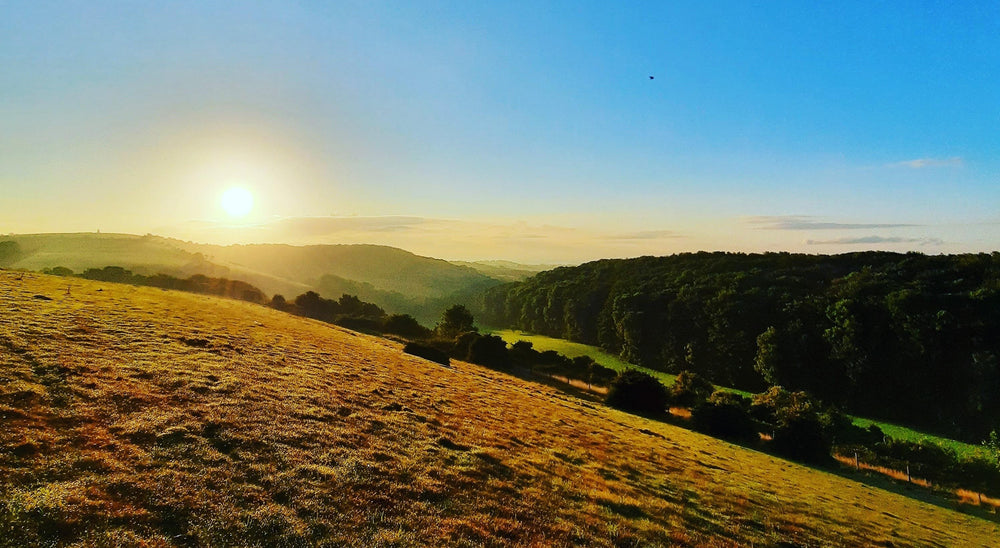
In June, walking becomes something more than functional. Early morning walks in golden light, evening strolls while the air cools, weekend rambles through the countryside at its green peak, these are experiences that nourish you on multiple levels simultaneously. The Isle of Wight, the South Downs, the Cotswolds, Dartmoor: the UK has some of Europe's finest walking country, and this is the time of year to use it.
Yoga: Movement as a Practice
Yoga has been part of the Western wellness landscape for decades now, but it's worth revisiting what makes it particularly suited to this cultural moment. In a world of constant stimulation, yoga demands something increasingly rare: your full attention.
Whether you're drawn to the flowing sequences of vinyasa, the long held postures of yin, or the precise alignment work of Iyengar, the common thread is breath, using it to guide movement, calm the nervous system and draw attention inward. The parasympathetic response triggered by slow, deliberate breathing is the physiological opposite of the fight-or-flight state many of us spend far too much time in.
Practically speaking, yoga improves flexibility, balance and joint stability, all of which become more important as we age. It supports recovery from other forms of exercise, reduces lower back pain, the UK's single most common musculoskeletal complaint, and has been shown repeatedly to reduce symptoms of anxiety and stress.
Pilates: Strength from the Inside Out
Few forms of exercise have grown more rapidly in popularity over the past few years than Pilates, and the enthusiasm is entirely justified. Originally developed by Joseph Pilates in the early twentieth century as a method of rehabilitation and conditioning, it has evolved into one of the most sophisticated and effective approaches to movement available.
What makes Pilates distinct is its emphasis on the deep stabilising muscles of the core, spine and pelvis, the structures that underpin all other movement and that most conventional exercise largely ignores. By training these foundations, Pilates doesn't just improve how you perform in the studio; it improves how you move through your entire life. The way you sit, stand, carry shopping, and reach for something overhead.
Mat Pilates in particular, practised on the floor with bodyweight rather than on the reformer machines associated with studio sessions, is beautifully accessible. You need very little space, no equipment beyond a mat, and it can be adapted for almost any fitness level or physical limitation. Six core principles guide the practice: concentration, control, centring, flow, precision and breath. Together, they make it as much a mental discipline as a physical one, demanding focused presence in a way that genuinely quietens a busy mind.
For anyone new to it, summer is an ideal time to start. Classes tend to be less crowded, the slower pace makes it easy to slot around holidays and lighter schedules, and the body awareness you develop carries forward into everything else you do.
Making Soft Movement Stick
The reason slow movement is resonating so strongly right now is precisely that it's sustainable. It doesn't require a specific kit, a gym membership, a fixed schedule or a particular level of fitness. It doesn't leave you floored for two days or dreading your next session.
What it does require is a small shift in how you measure progress - away from metrics like speed, weight lifted or calories burned, and toward subtler markers. The walk that genuinely cleared your head. The Pilates session where something clicked in your posture. The Yoga class that left you sleeping better for a week.
This summer, consider moving a little more slowly. Your body, and very likely your mind, will thank you for it.